A Resale Certificate is a state-issued document that allows U.S. businesses to purchase goods for resale without paying sales tax at the time of purchase.
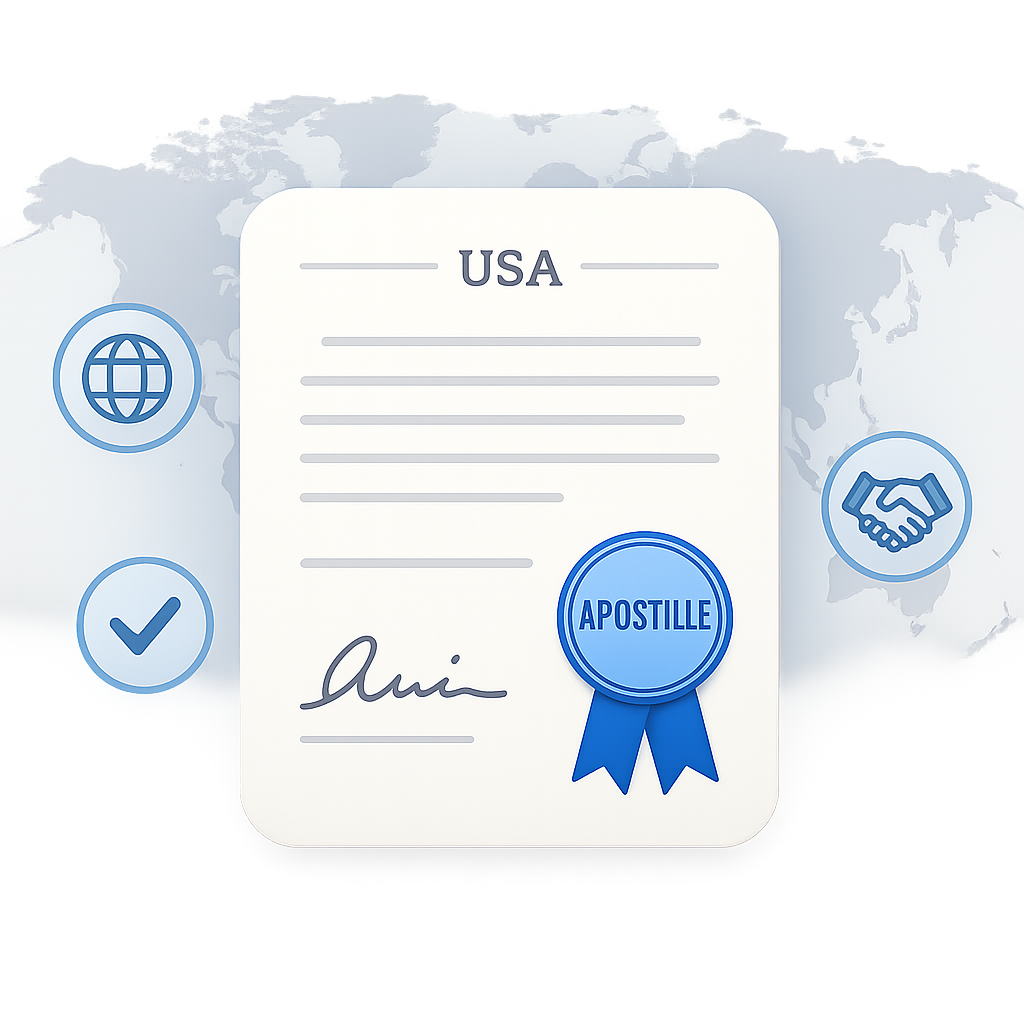
An Apostille is an official government-issued certificate that validates the authenticity of a U.S. public document so it can be legally used in foreign countries that are members of the Hague Apostille Convention.
A Physical U.S. business address is a real, commercial street address (not a PO Box) that you can use as the official mailing and business address for your U.S. company — without needing to physically live in the United States.
As of January 1, 2024, all U.S.-registered companies — including LLCs and Corporations owned by non-U.S. residents — are legally required to file a BOI (Beneficial Ownership Information) Report with FinCEN, the Financial Crimes Enforcement Network under the U.S. Treasury.
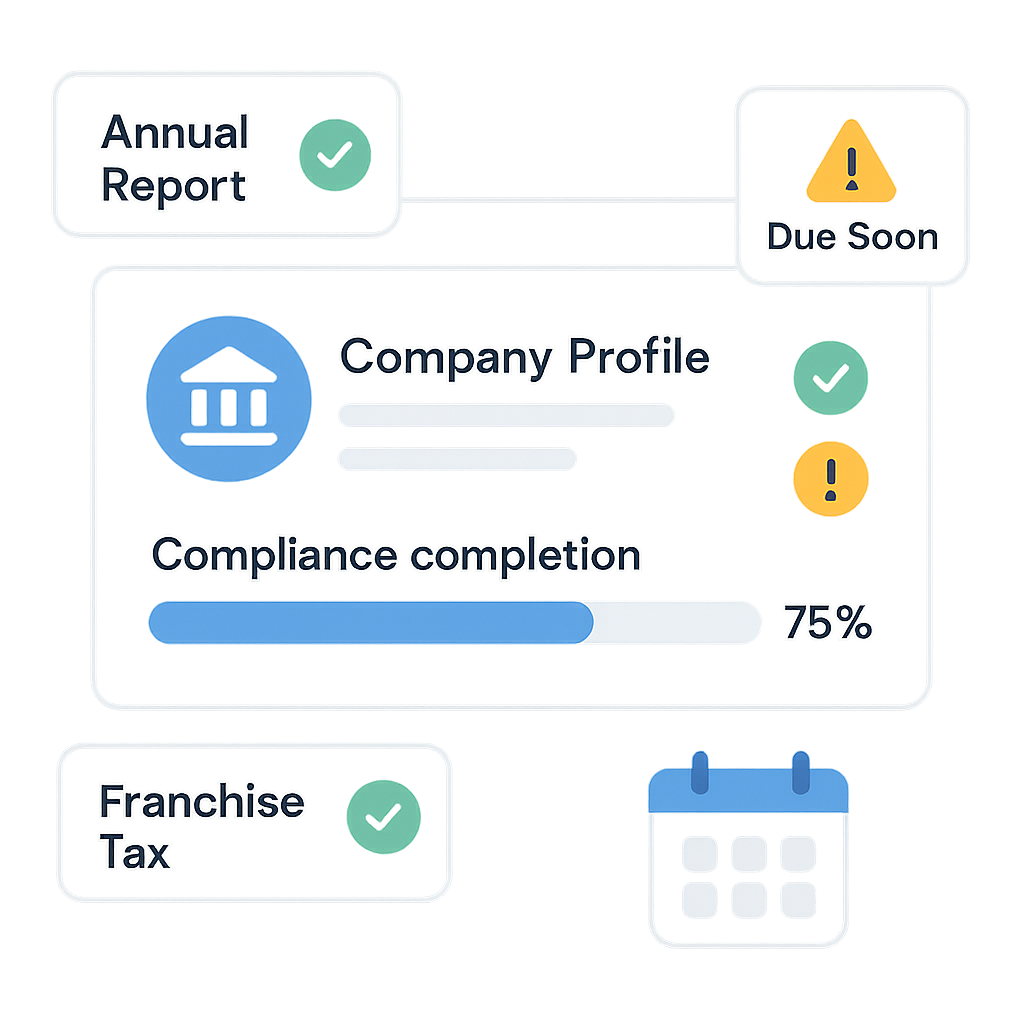
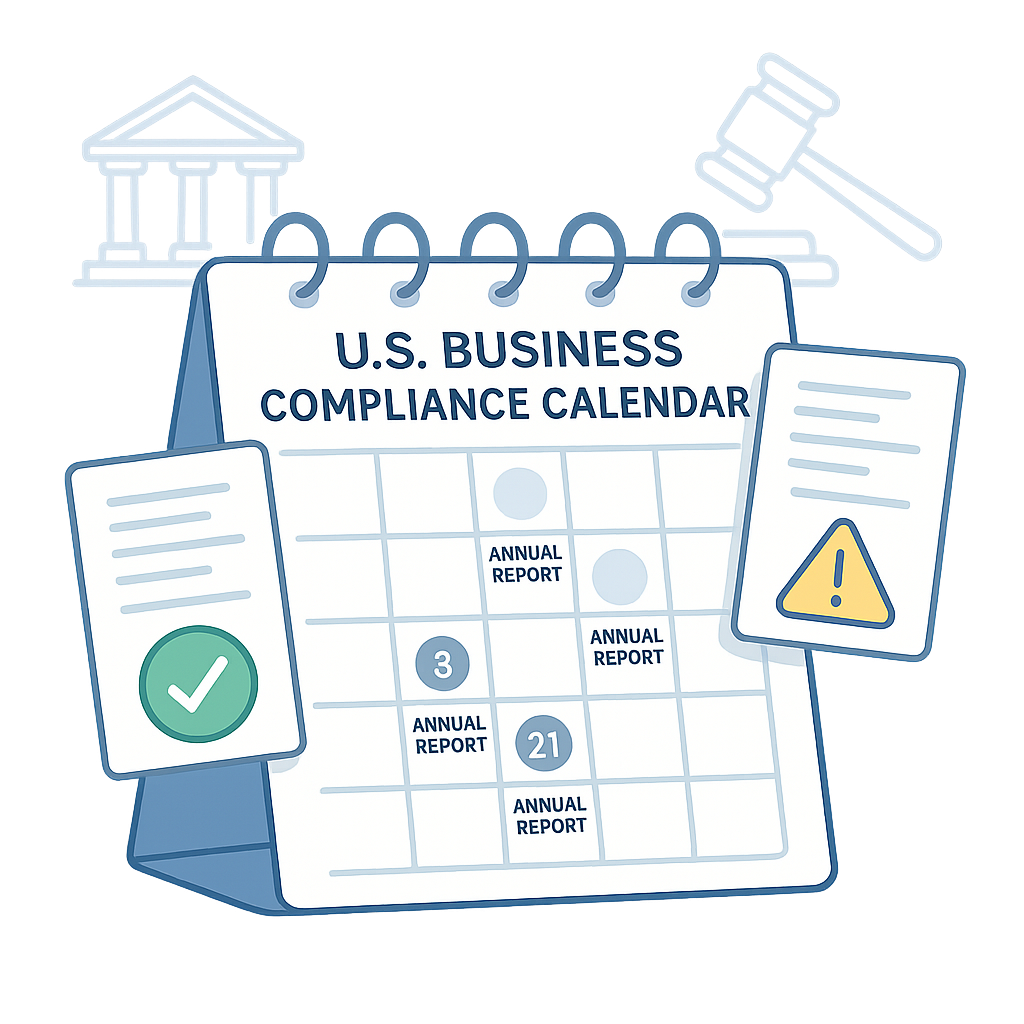
Once you form your U.S. company, you’re legally required to maintain it every year — even if you don’t earn income. This process is known as ongoing compliance, and it involves:
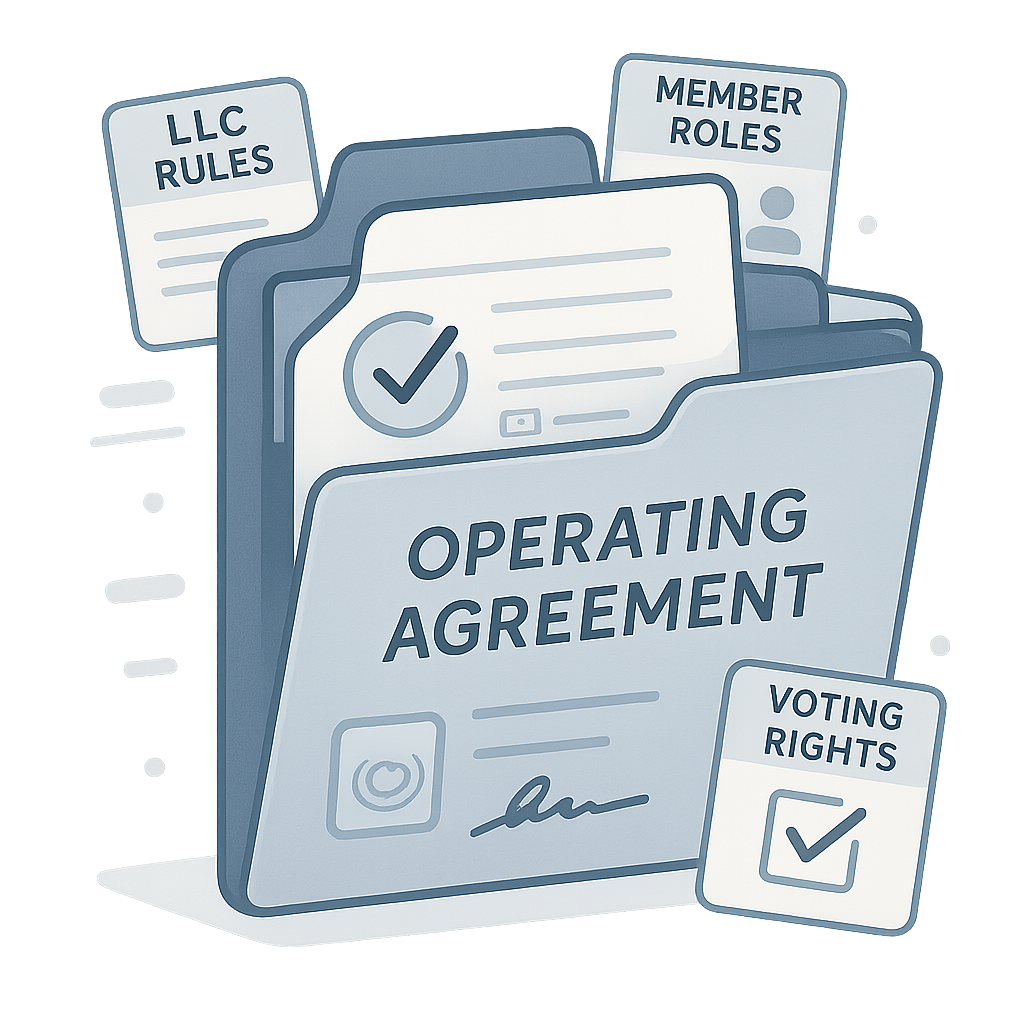
An Operating Agreement is a foundational legal document that outlines the internal structure, rules, and ownership of your LLC (Limited Liability Company).
A trademark is a legally registered name, logo, slogan, or design that distinguishes your brand in the marketplace. It gives you exclusive legal rights to use that mark within the U.S. — and prevents others from using or copying your identity.
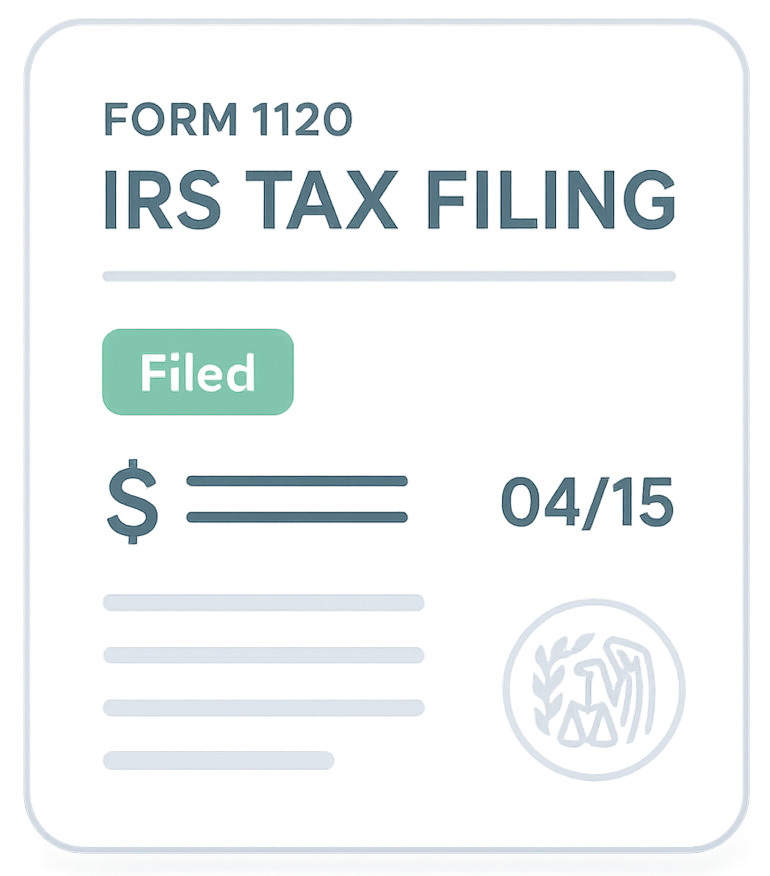
Every U.S.-based business — whether active or not — must file annual tax forms with the Internal Revenue Service (IRS). This applies to both LLCs and Corporations, including those owned 100% by non-U.S. residents.
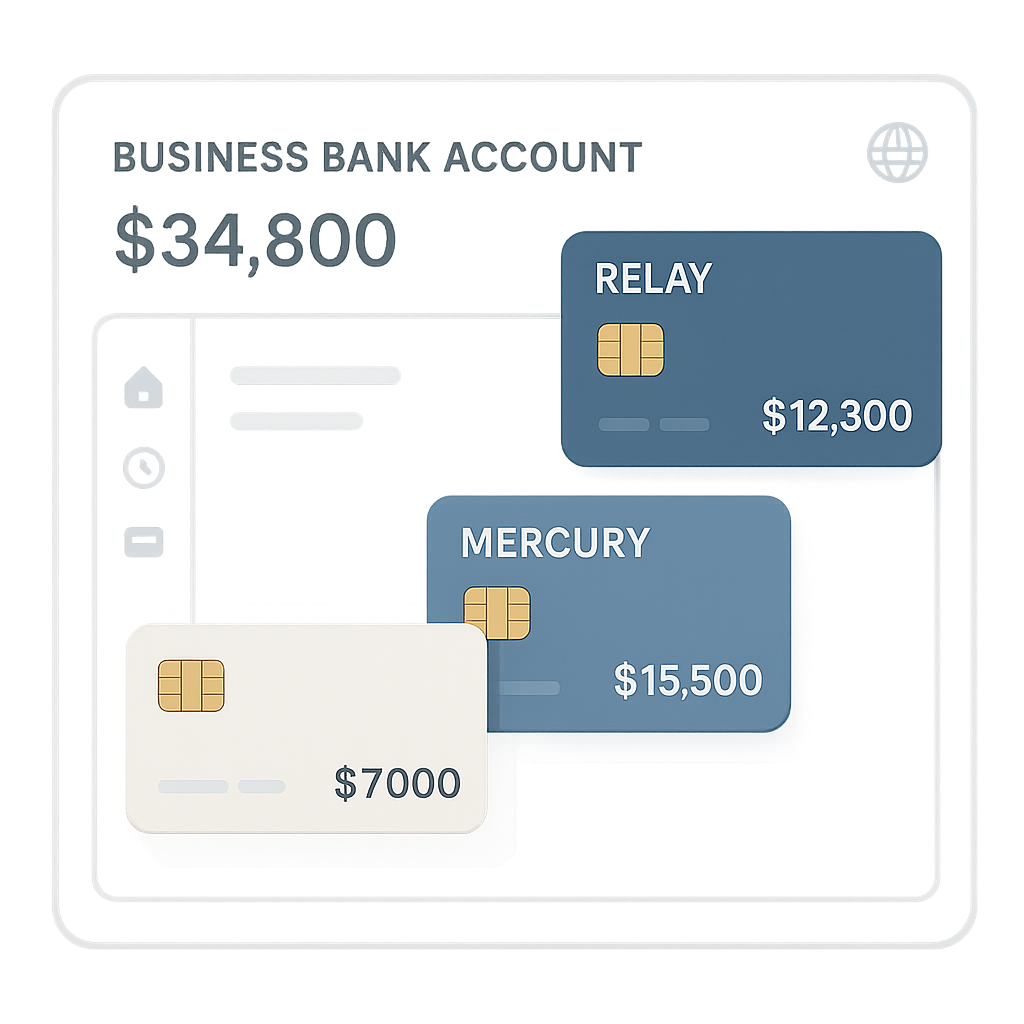
A U.S. business bank account is one of the most critical components of running a legitimate and functional U.S. company, especially for non-residents. It allows you to: